Discover Sekumpul Waterfall in Bali: Complete Travel Guide
Tucked deep within the lush jungle of North Bali, Sekumpul Waterfall is widely regarded as the most breathtaking waterfall on the island a cascading masterpiece that rewards every adventur
The Experience
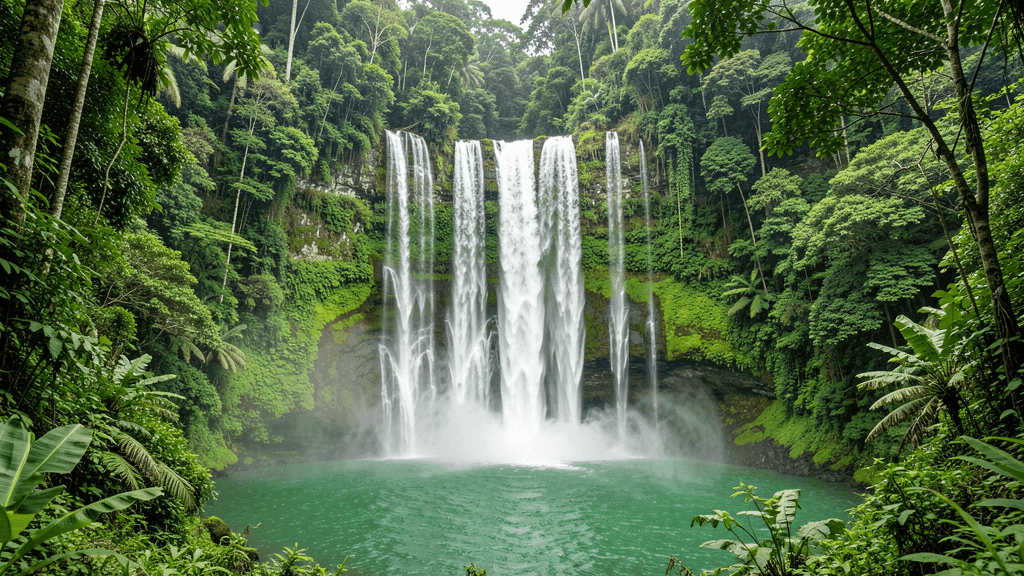
There are waterfalls, and then there is Sekumpul. Nestled in the verdant highlands of Singaraja in North Bali, Sekumpul Waterfall is not just a destination it is an experience that stays with you long after you have dried off and headed home. Often called the most beautiful waterfall in all of Bali, Sekumpul is actually a cluster of seven individual falls tumbling dramatically from heights of up to 80 meters into a misty, emerald-green gorge below. The sheer scale and raw natural power of this place is something no photograph can fully prepare you for.
Getting to Sekumpul is part of the adventure itself. Located approximately 55 kilometers from Ubud and around 15 kilometers southwest of Singaraja town, the journey typically takes between 1.5 to 2.5 hours depending on your starting point in Bali. Most visitors choose to hire a private driver or join a guided tour, which is strongly recommended not only for navigational ease but also because the local guides at the waterfall site are genuinely invaluable. The roads leading through the northern highlands are winding and scenic, passing through clove and coffee plantations, traditional Balinese villages, and terraced rice fields that make the drive itself feel like a reward.
Once you arrive at the village of Lemukih, where the trail begins, you will register at the local community entrance post and pay a modest admission fee. This fee directly supports the local village, and the guides you hire here are members of the community who know every root and stone along the path. Do not skip hiring a guide not only is it culturally respectful, but the trail descends steeply through dense jungle terrain, crosses rivers on bamboo bridges, and can become slippery and disorienting without someone who knows the way.
The trek down to the falls takes roughly 20 to 45 minutes depending on your pace and fitness level. The path winds through towering bamboo groves, past wild ginger plants, and alongside a rushing river that grows louder and more insistent as you descend. The air becomes cooler and more humid, filled with the scent of earth and tropical vegetation. When you finally round the last bend and the full panorama of Sekumpul reveals itself multiple ribbons of white water plunging through the cliff face into a pool of crystal-clear water the moment is genuinely jaw-dropping. Many travelers describe it as one of those rare travel moments where the reality actually exceeds the expectation.
Swimming in the pool at the base of the falls is absolutely permitted and deeply refreshing. The water is cool and clean, fed directly from the mountain springs above. Standing at the edge of the pool with the mist from the falls drifting over you, the surrounding jungle walls rising on every side, and the thunderous sound of the water filling your ears, you feel completely immersed in the natural world in a way that is increasingly rare. It is the kind of place that makes you want to simply sit and absorb it for as long as possible.
The best time to visit Sekumpul is during the dry season, which runs from April through October. During these months, the trails are more manageable, the water is clear, and the lighting in the mid-morning hours creates beautiful conditions for photography. That said, visiting during or just after the wet season from November through March brings its own dramatic appeal the falls swell to their most powerful and thunderous state, though the trails can be significantly more challenging and the water visibility in the pool may be reduced. Aim to arrive early in the morning, ideally before 9am, to beat the midday heat and the growing crowds of tour groups that typically arrive between 10am and noon.
What makes Sekumpul truly special beyond its visual grandeur is the sense of genuine discovery it offers. Unlike some of Bali's more commercialized attractions, Sekumpul still feels wild and authentic. The surrounding community of Lemukih has maintained a thoughtful approach to tourism, keeping the site clean, the infrastructure minimal, and the experience rooted in nature rather than spectacle. Wearing a sarong is not required here as it is at temple sites, but dressing modestly out of respect for the local community is always appreciated.
For those planning a full-day itinerary, Sekumpul pairs beautifully with a visit to the nearby Gitgit Waterfall, the scenic Ulun Danu Beratan temple on Lake Bratan, or a drive along the stunning northern coastline toward Lovina Beach, where dolphin watching at sunrise is a beloved local tradition. North Bali as a region is dramatically underexplored compared to the south, and Sekumpul is the perfect anchor for a day that reveals a completely different, quieter, and more rugged side of the island.
Wear sturdy footwear with good grip, bring a waterproof bag for your electronics, pack a change of clothes if you plan to swim, and carry enough water and snacks for the hike. The return trek is uphill and can feel demanding in the tropical heat, so pacing yourself on the way down is wise. With the right preparation and an open spirit, Sekumpul Waterfall delivers one of the most memorable and genuinely moving natural experiences that Bali has to offer a reminder of why this island continues to capture the hearts of travelers from every corner of the world.